Understanding the Concept of Bluffing
Bluffing is a fundamental strategy in poker that allows players to win pots even when they have weaker hands. At its core, bluffing involves convincing your opponents that your cards are stronger than they are. This psychological aspect of the game requires a deep understanding of human behavior and the ability to read your opponents’ reactions accurately. Many players also enjoy trying their luck on the best online pokies australia for a different kind of thrill, where successful bluffing often hinges on timing, the ability to create believable narratives, and an awareness of the table dynamics.
In the world of poker, the successful use of bluffing can turn the tide in your favor. It is essential to recognize when to bluff; for instance, if you are in a late position and the betting has been passive, this could be an opportune moment. Conversely, if the table is aggressive, bluffing could backfire. Understanding your opponents’ tendencies plays a critical role in deciding when to employ this technique. Knowing how frequently they call or fold can guide your bluffing decisions.
Furthermore, bluffing isn’t just about deception; it’s also about confidence. A hesitant player is less likely to convince others of their strong hand. Therefore, maintaining a steady demeanor, controlling your betting patterns, and projecting confidence are vital components of a successful bluff. Coupled with a strategic approach, bluffing can become a potent weapon in your poker arsenal, allowing you to capitalize on favorable situations and increase your overall winnings.
Types of Bluffs in Poker
There are various types of bluffs in poker, each serving different purposes based on the situation. The pure bluff is one where a player bets or raises with an entirely weak hand, hoping their opponents will fold. This type of bluff is risky but can be effective if executed correctly. Conversely, a semi-bluff involves betting with a hand that may not currently be strong but has the potential to improve. This approach allows you to maintain a chance of winning by either forcing opponents to fold or drawing a better hand.
Another common bluffing technique is the stone-cold bluff, where a player bets aggressively with little to no chance of improving their hand. This type of bluff demands well-timed aggression, catching opponents off guard. It’s essential to assess the table and gauge the players’ reactions carefully; strong opponents may call your bluff if they sense insincerity. Additionally, players should consider utilizing the continuation bet to represent a strong hand after taking aggressive action pre-flop.

Notably, the context of the game significantly influences the effectiveness of bluff types. Experienced players often adjust their bluffing strategies depending on the opponents’ skill levels and playing styles. For instance, bluffing against novice players can be more effective as they may not recognize the signs of deception, whereas seasoned players might easily read your tells. Thus, tailoring your approach based on the competition is vital in mastering the art of bluffing.
Reading Opponents for Effective Bluffing
The ability to read your opponents is crucial for successful bluffing. Observing their betting patterns, body language, and emotional cues can provide insights into whether they are holding strong or weak hands. For instance, if a player suddenly becomes passive after consistently aggressive betting, it could indicate weakness, presenting a prime opportunity for a bluff. Understanding common “tells,” such as fidgeting or sudden stillness, can further enhance your bluffing strategy.
Moreover, paying attention to the community cards on the table can inform your bluffing decisions. If the board presents a possible straight or flush, players may be more cautious, providing an ideal scenario for bluffing. Conversely, if the cards appear disconnected and less threatening, opponents may feel more inclined to call your bets. The key lies in creating a narrative that aligns with the betting patterns established throughout the hand, enhancing the believability of your bluff.
Lastly, developing a rapport with your opponents can aid in deciphering their thought processes. Engaging in table talk might provide additional insights into their attitudes towards bluffing and risk-taking. Experienced players will often pick up on common tendencies, thus allowing them to adjust their strategies accordingly. Ultimately, mastering the ability to read opponents forms the foundation upon which effective bluffing is built, enhancing one’s chances of success at the poker table.
Developing a Bluffing Strategy
Creating a successful bluffing strategy involves careful planning and practice. A player must establish a solid understanding of their own playing style and the dynamics of the game. As one develops their approach, they should consider factors such as position at the table, stack sizes, and the overall table image. A well-rounded strategy often involves mixing up bluffing frequency to make play less predictable, keeping opponents guessing.
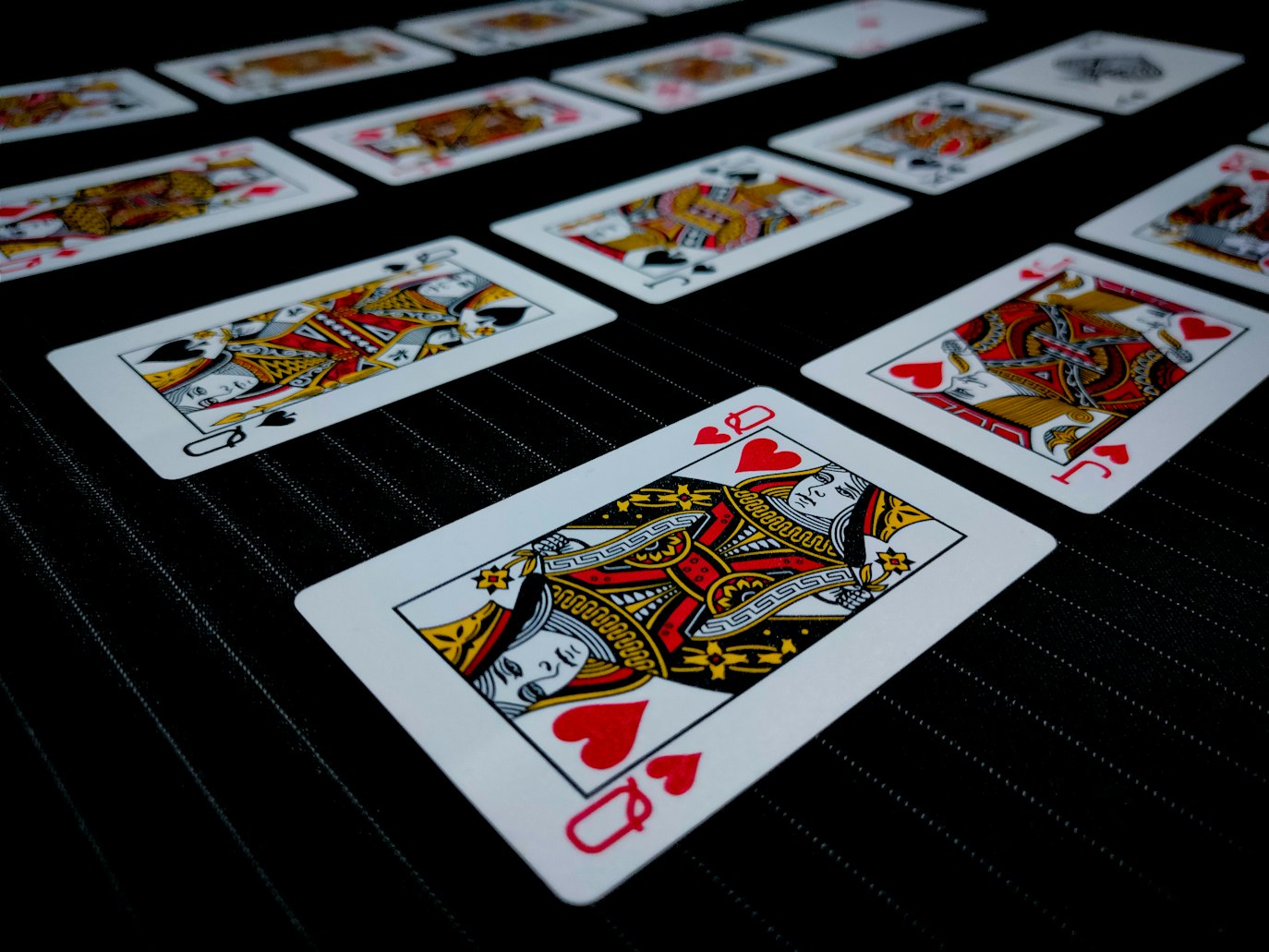
Building a consistent and adaptable bluffing strategy also requires the ability to assess risk versus reward. Players should determine when the cost of bluffing outweighs potential gains from winning the pot. It’s essential to remain disciplined, knowing when to stop and avoid chasing losses with reckless bluffing. Practicing bluffing in lower-stakes games can help cement strategies and build confidence without significant financial risk.
Finally, continuous education on poker strategy forms the backbone of successful bluffing. Players should seek out resources like books, videos, and forums to learn from other experienced players. Reviewing one’s gameplay can also provide insights into successful bluffs and mistakes to avoid. By integrating ongoing learning into their game, players can hone their skills and become more adept at employing bluffing as a strategic tool.
Exploring Further Resources
For poker enthusiasts eager to delve deeper into the art of bluffing, numerous resources are available to enhance your understanding and skills. Websites dedicated to poker analysis often provide articles, strategy guides, and forums where players can exchange tips and experiences. Engaging with an active poker community enables players to learn from one another and gain new perspectives on bluffing techniques.
Additionally, many online poker platforms offer free play options, allowing players to practice their bluffing strategies without the risk of losing real money. This environment encourages experimentation and adjustment of tactics in real-time, which is invaluable for skill development. Taking advantage of these resources can lead to improved gameplay and greater success at the tables.
Ultimately, mastering the art of bluffing in poker is a journey that requires continuous practice and learning. Embracing challenges, analyzing outcomes, and adapting strategies are integral parts of becoming a proficient player. Commit to enhancing your skills, and you’ll find that bluffing can be one of your most powerful tools in the game of poker.